Welcome to this Resource on "What is Glacis?"
A glacis is a painting technique applied over a dry, painted surface to enhance its color and depth. This process, rooted in ancient art, was used by painters to achieve effects such as transparency in fabrics or the vibrancy of flesh tones.
Historical Background:
The glacis technique dates back to antiquity and can be seen in the vibrant frescoes on the walls of Pompeii. Over the centuries, artists have used glacis to create depth, highlight color nuances, and achieve a sense of transparency or luminosity in their artwork.
How Does Glacis Work?
Glacis is always applied to a dry background, never on fresh paint. The key characteristic of glacis is that the underlying color does not mix with the layer applied on top. Instead, two colors are layered: one of which is transparent, allowing the underlying color to influence the final result without blending with the new layer.
Composition and Function:
The glacis technique utilizes a binder that enhances the transparency, brightness, and chromatic beauty of natural pigments and earth tones. This binder allows the color to shine through and gives the wall a subtle, layered effect. The semi-transparency of these natural earth pigments can create a rich chromatic effect reminiscent of an old Moiré pattern, customizable according to the user’s preferences.
Example of Application:
Let’s say you’re working with lime paint in blue. Due to the nature of lime, the underlying color might appear as a pale blue shade. To deepen this effect, you can apply a second, stronger layer of diluted blue in glacis, which will gradually intensify the tone. Over time, by adding multiple layers, you will achieve a dense, rich blue surface that vibrates with color. This technique adds depth and vibrancy to the surface, especially when different layers are applied.
Advantages of Glacis:
-
Color Enhancement: Glacis allows you to intensify the color without changing the underlying surface.
-
Vibrant Tones: The layering technique helps create a dynamic, luminous finish, making the colors appear to vibrate.
-
Preserved Permeability: The application of glacis does not compromise the permeability of the wall, maintaining breathability.
-
Customizable Effects: The semi-transparent nature of glacis allows for varied chromatic effects, giving artists and decorators creative freedom.
Changing the Effect:
If you wish to change the finish on the wall, it’s easy to cover the glacis with a normal paint. This offers the flexibility to update or change the decorative style whenever needed, making glacis a versatile technique.
Conclusion:
Glacis is a timeless technique that enhances the depth, vibrancy, and transparency of painted surfaces. Whether used in art or as a decorative process for walls, it allows for a sophisticated, layered effect that can transform the atmosphere of any space.
Ultimas Entradas Publicadas

Small Home Office Layout: Desk, Screen and Storage
Cabinet Handles: How to Measure Center-to-Center Correctly
Kitchen Backsplash Materials Compared: Cleaning, Fit and Finish
Rental-Friendly Entryway Storage Without Blocking Access

Curtains vs Blinds: Privacy and Light Control
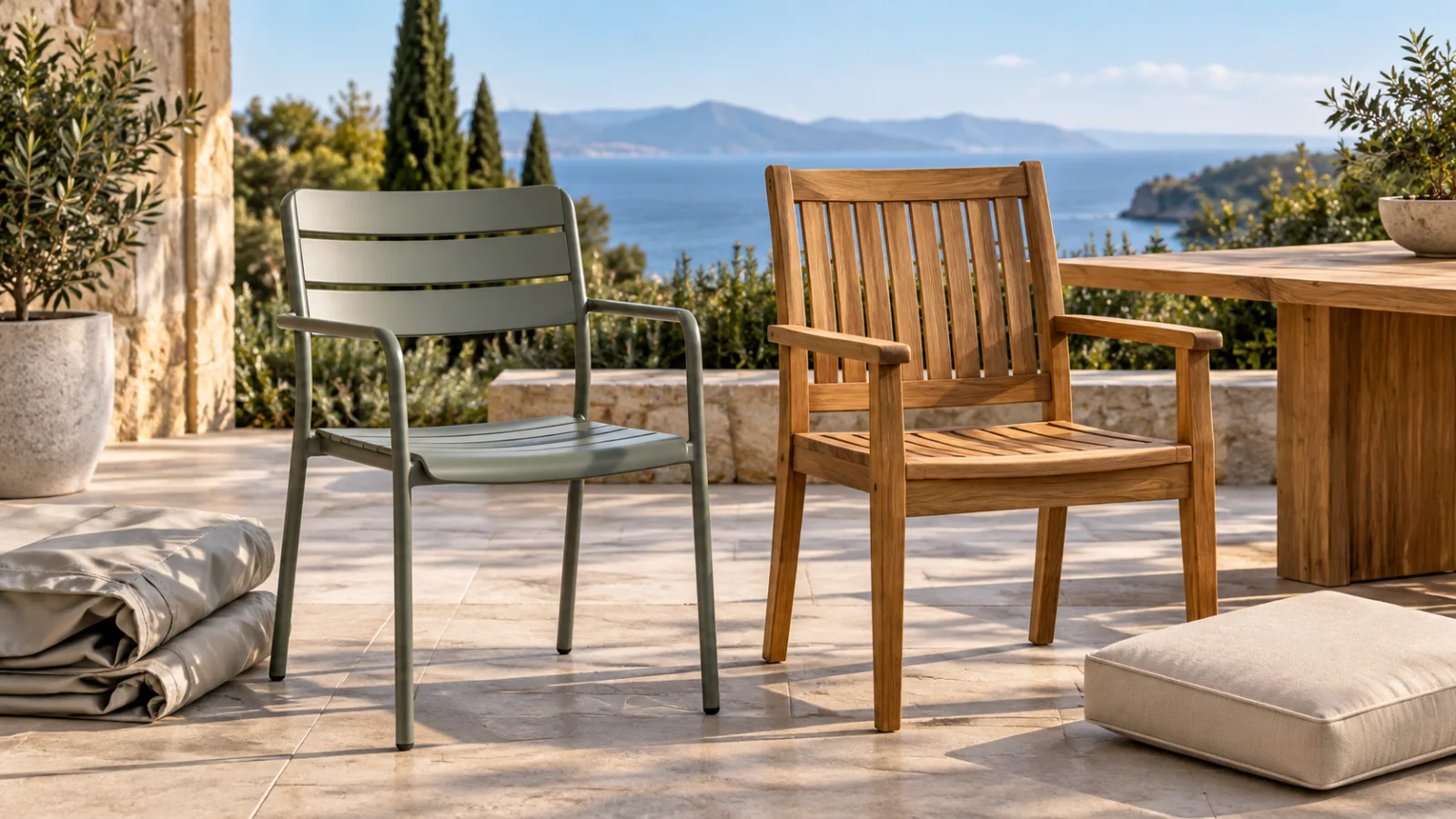
Aluminum vs Wood Outdoor Furniture: How to Choose
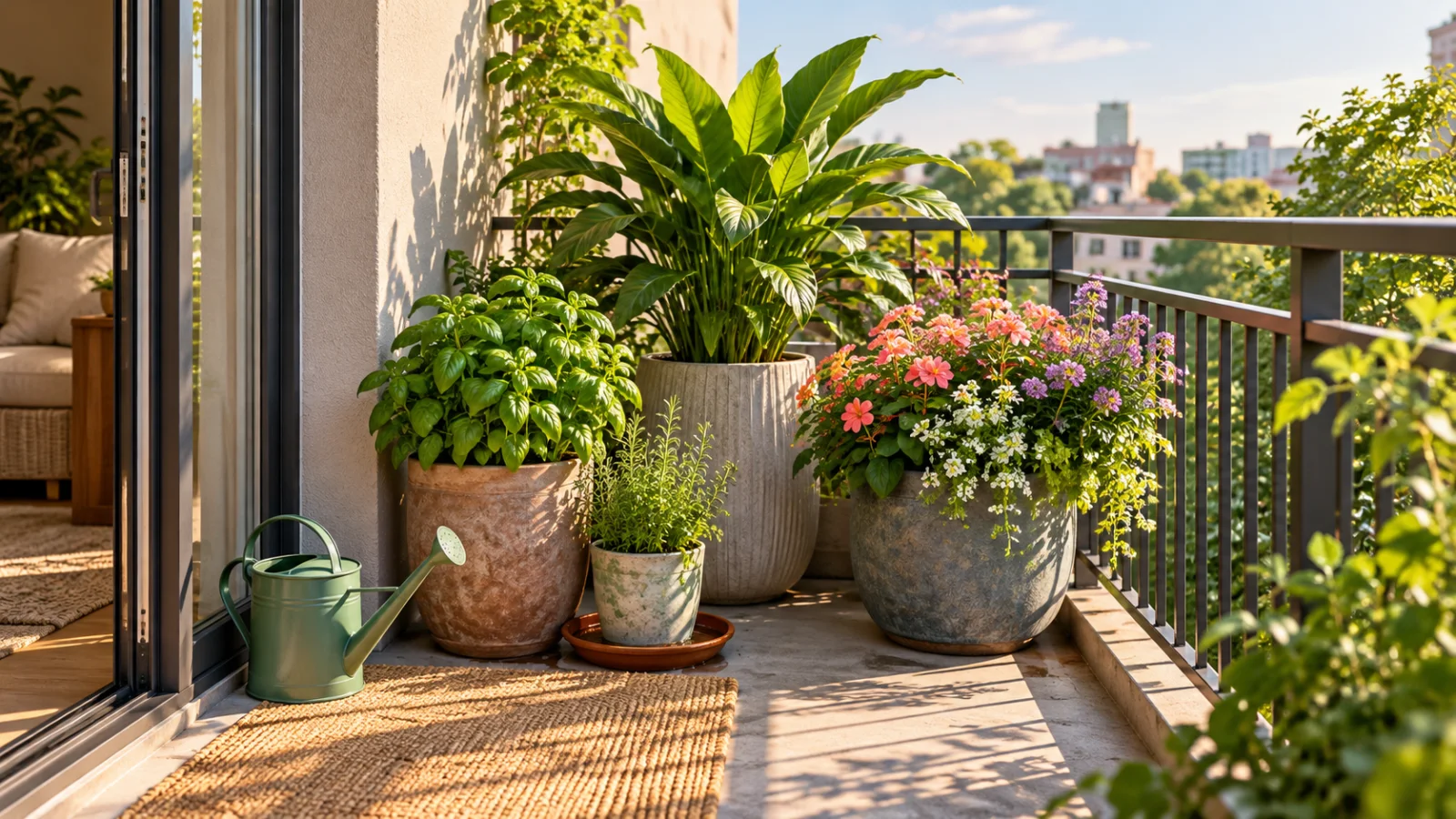
Balcony Container Gardening: Sun, Pots and Watering

Closet Organizers: Measure Before Choosing a System
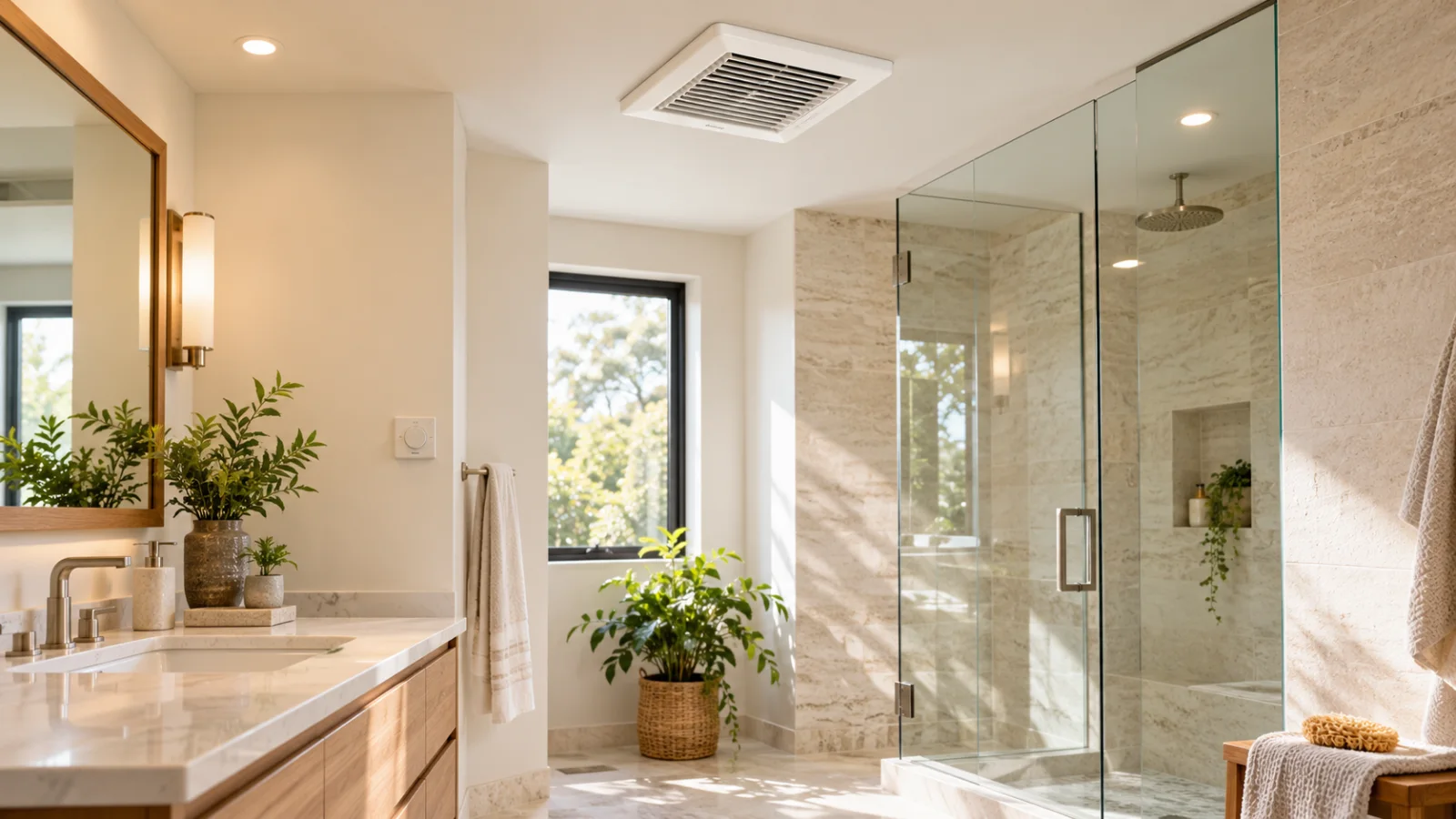
Bathroom Exhaust Fans: What to Check Before Buying