

No matter what decorative style we prefer, Zen interiors always have a unique appeal. The Zen atmosphere—calm, relaxing, and perfect for daily well-being—transcends mere decoration; it embodies a true way of life. Whether indoors or outdoors, Zen design continues to enchant us, creating a balanced and harmonious environment that fosters tranquility and serenity.
How to Create a Zen Atmosphere
The word "Zen," derived from the Japanese pronunciation of a Chinese character, means "silent meditation." It emphasizes mindfulness and inner peace, making it more than just an aesthetic choice—it’s a philosophy of life. Zen decor shares similarities with Chinese Feng Shui, which focuses on balancing natural elements to influence human behavior positively. However, while Feng Shui follows specific spatial arrangements, Zen decor is more about simplicity and harmony.
To achieve a Zen atmosphere, remember that Zen is synonymous with simplicity. However, simplicity does not mean bare or uninviting; Zen interiors should be comfortable, spacious, and airy. Avoid cluttering your space with excessive wall decorations or unnecessary decorative objects. Instead, prioritize practicality and comfort.
Zen decor does not blend well with all styles—for example, it contrasts sharply with the vibrant and eclectic nature of pop art. However, it can harmonize beautifully with Scandinavian decor, urban jungle aesthetics, or coastal themes.
Choosing the Right Colors and Furniture
Simplicity is key to a Zen ambiance. Opt for soft, natural colors—earthy tones like white, beige, taupe, and gray, as well as subtle greens, blues, or pinks. To prevent the space from feeling too monotonous, introduce small accents of brighter colors, such as red, which can complement Zen-style furniture beautifully.
When selecting furniture, go for minimalist, refined pieces with clean lines and simple geometric shapes. Natural materials like wood and rattan are ideal choices. To maintain a sense of openness, avoid overcrowding the space with excessive furniture—only include what is necessary. Prioritize practical designs with built-in storage, and opt for compact rather than bulky pieces to facilitate movement and social interaction.
The arrangement of furniture also plays a vital role in creating a Zen atmosphere. In the living room, arrange seating to encourage conversation, ensuring that people can see one another. Avoid placing seating with backs directly facing doors or windows, as this can subconsciously impact the feeling of security and disrupt the room’s harmony. Instead, optimize the flow of air and natural light.
Lighting for a Zen Ambiance
Lighting is essential for a Zen environment. The focus should be on natural light, complemented by soft artificial lighting. Avoid harsh, multicolored, or fluorescent lights, as they can be overly stimulating. Instead, opt for adjustable lighting to create different moods throughout the day.
For example, in the morning, a bright but gentle light can help ease into the day, while in the evening, dim lighting can promote relaxation and prepare the body for restful sleep. Replace traditional ceiling lights with wall sconces, floor lamps, bedside lamps, or table lamps to create a soothing ambiance.
Large windows are ideal for maximizing natural light during the day. To enhance the Zen theme, choose light, natural fabric curtains like linen or cotton in neutral tones. These allow soft light to filter through while maintaining harmony with the overall decor.
Engaging the Senses for a Complete Zen Experience
To fully embrace a Zen atmosphere, consider engaging all the senses. Sound can be incorporated through the gentle trickle of a tabletop fountain or a larger water feature in the garden. Scents can enhance the ambiance with fresh flowers, incense, or scented candles. Visual elements like smooth stones, feathers, or Zen-inspired paintings can subtly reinforce the theme. Tactile elements, such as soft, natural fabrics like linen, can also contribute to the overall experience.
Every space in your home can be transformed into a sanctuary of relaxation, from the living room to the bedroom, kitchen, bathroom, and even smaller spaces like hallways and entryways. The bathroom, in particular, is a place of retreat and relaxation. Pay special attention to details such as soap dishes, towels, and even the fragrance of your shampoo, as each element contributes to the overall sense of calm.
The Role of Plants in a Zen Interior
While green plants are generally not recommended for bedrooms due to their stimulating nature, they are highly beneficial in other areas of the home. Once limited to gardens and balconies, indoor plants are now an integral part of interior design, adding a natural touch and promoting well-being. However, be mindful of balance—too many plants can shift the atmosphere toward an urban jungle aesthetic rather than a Zen retreat.
By following these simple yet effective guidelines, you can create a Zen atmosphere that brings peace, balance, and serenity into your home.
Ultimas Entradas Publicadas
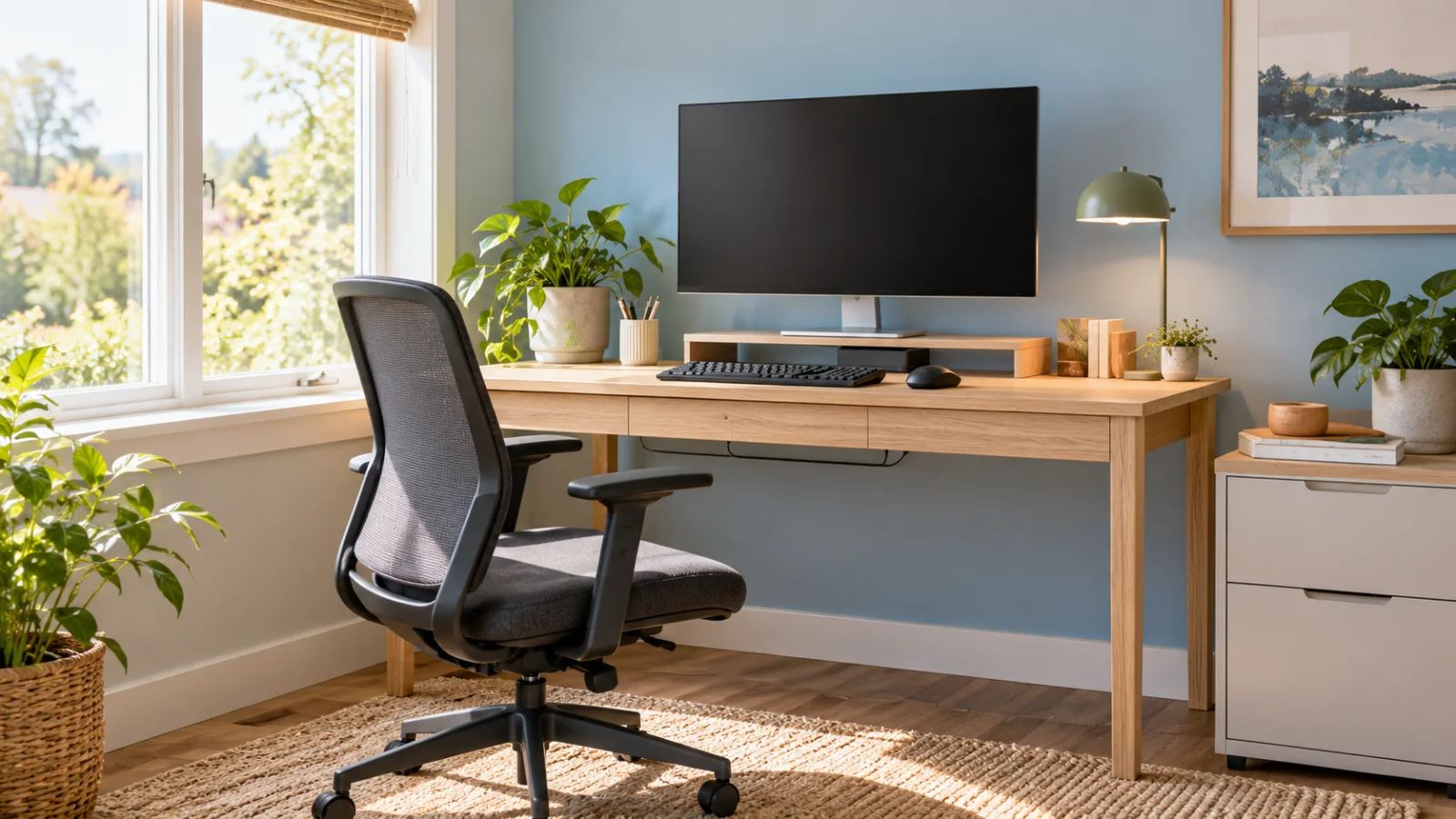
Small Home Office Layout: Desk, Screen and Storage

Cabinet Handles: How to Measure Center-to-Center Correctly
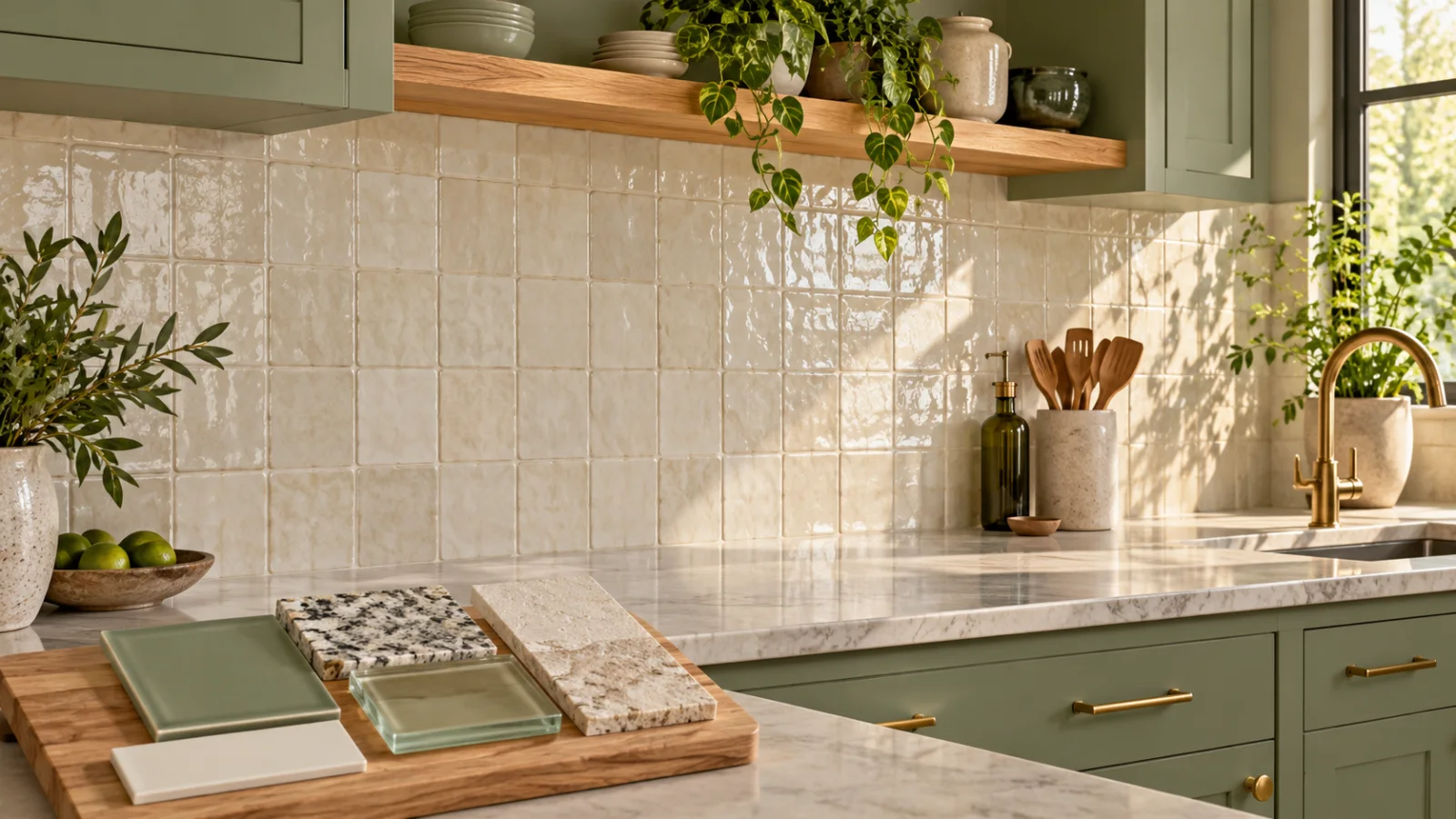
Kitchen Backsplash Materials Compared: Cleaning, Fit and Finish
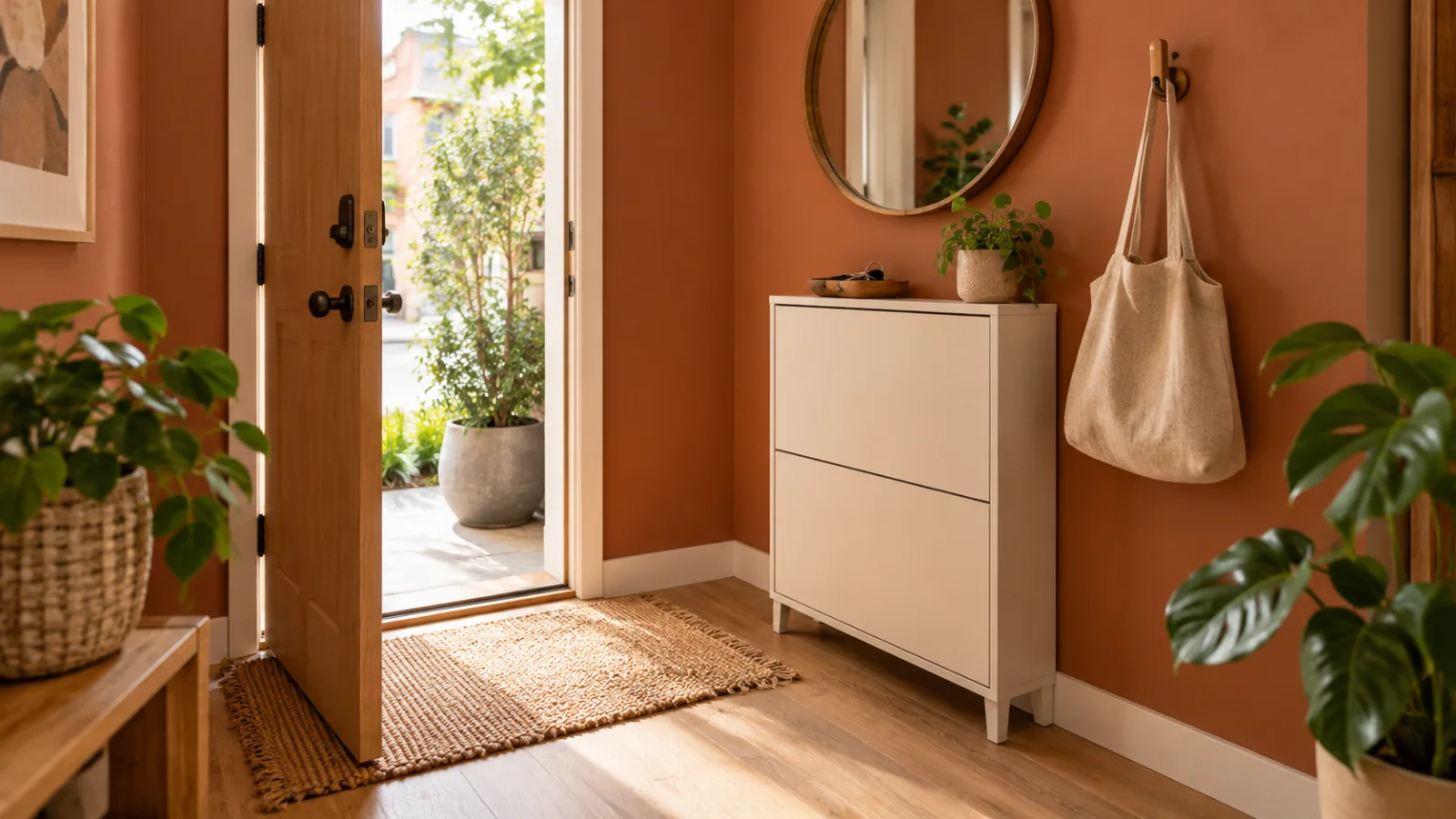
Rental-Friendly Entryway Storage Without Blocking Access
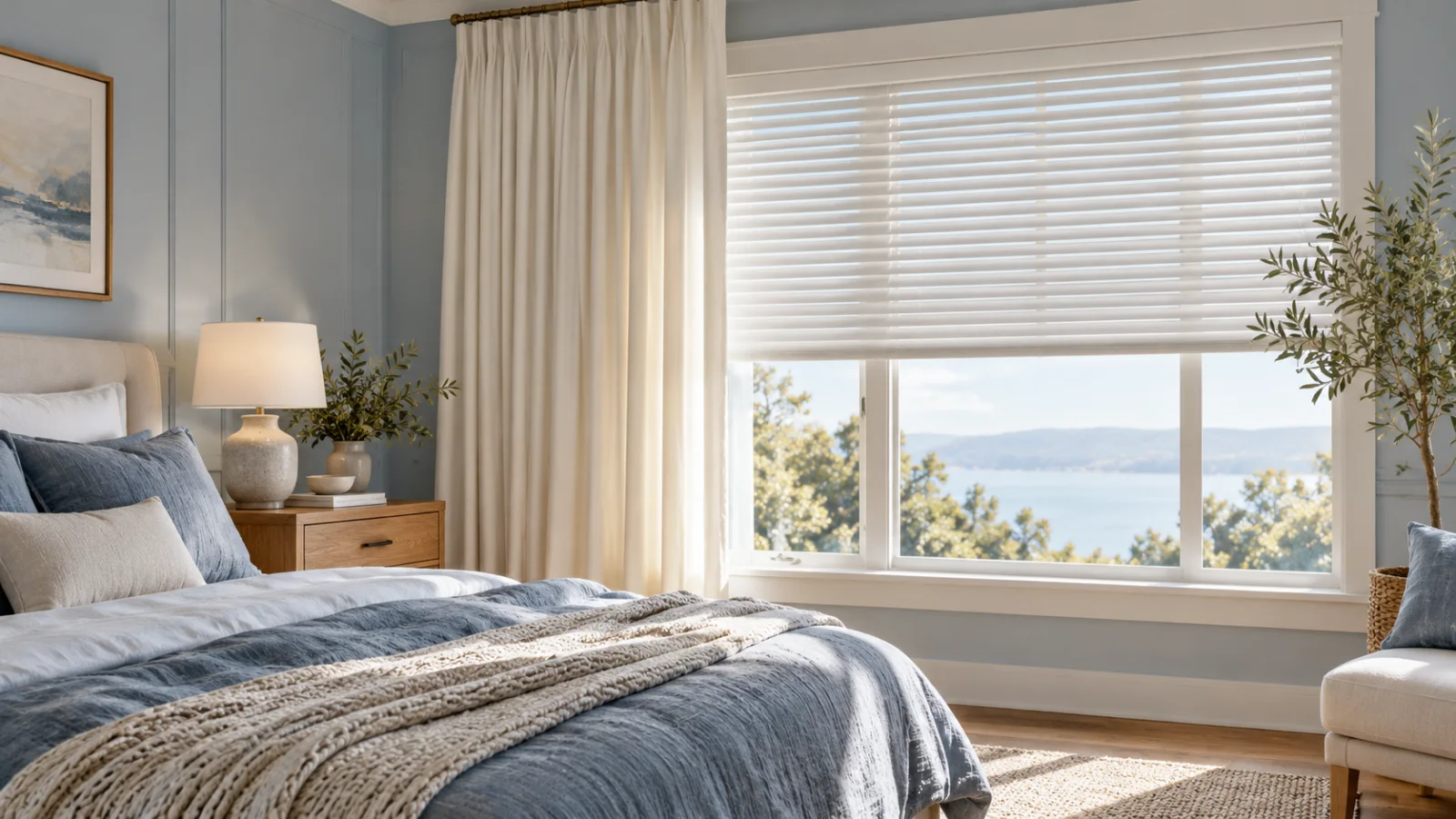
Curtains vs Blinds: Privacy and Light Control
Aluminum vs Wood Outdoor Furniture: How to Choose
Balcony Container Gardening: Sun, Pots and Watering

Closet Organizers: Measure Before Choosing a System
Bathroom Exhaust Fans: What to Check Before Buying
2 comments