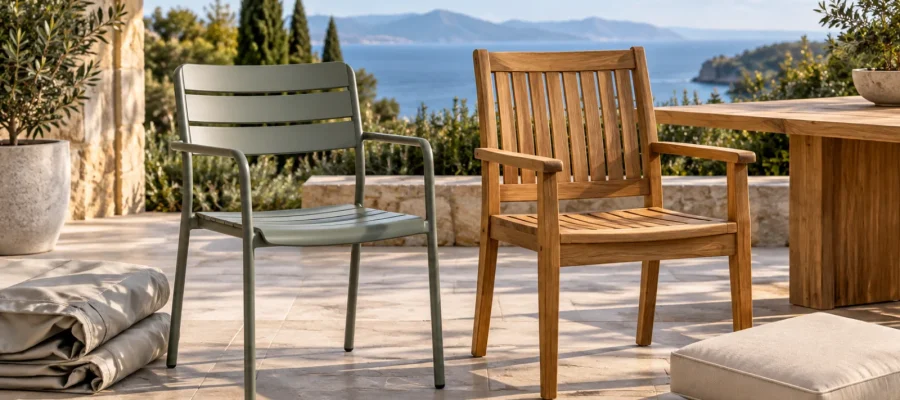
Choose aluminum outdoor furniture when the specific piece offers the movement, storage and upkeep you want. Choose wood when you prefer its appearance and accept the care required by that species and finish. Neither material name guarantees a comfortable, durable purchase. Compare the complete construction, the setting and your maintenance routine before deciding.
Start with how the furniture will be used
Write down three practical needs: where the furniture will sit, how often you will move it and where it will go during unsuitable weather or long periods without use. A terrace used for daily dining needs different seating from a small balcony that must be cleared for other activities.
Measure the route from storage to the outdoor space, including doorways and steps. Then check the dimensions of the assembled and folded or stacked furniture. A compact-looking chair is not a space-saving purchase if its arms prevent it from fitting beneath the table.
Understand what the material label leaves out
Aluminum is valued for low weight and corrosion resistance, but it is not immune to all exposure. The Australian Aluminium Council explains that its surface oxide film provides protection while certain conditions can still cause corrosion. Ask whether the exact product is suitable for your setting, especially where salt or other demanding exposure is present.
Wood furniture also varies substantially. The species, construction, coating and intended outdoor use matter more than the general label. Ask for the product’s care instructions before purchasing, particularly if you want to preserve its original color rather than accept a weathered appearance.
| Decision | Aluminum: inspect | Wood: inspect |
|---|---|---|
| Moving and storage | Actual weight, stackability and carrying points | Actual weight, folding hardware and storage dimensions |
| Comfort | Seat shape, edges and cushion dependence | Seat shape, slat spacing and surface finish |
| Maintenance | Coating care and approved cleaning products | Required cleaning and finish-renewal process |
| Repair | Availability of feet, hardware and replacement parts | Availability of hardware, slats and compatible finishes |
Compare construction and comfort in person
Look at connections, feet and accessible hardware. Check the published load limits and whether the maker provides assembly and maintenance documents. Avoid treating thickness or weight alone as proof of quality; a heavy chair can still be awkward, while a lightweight design may be well suited to frequent rearranging.
If possible, sit in each candidate for longer than a quick showroom moment. Notice the back angle, pressure at the front of the seat and whether the arms fit comfortably under the proposed table. If cushions are necessary, assess them as part of the purchase: replacement availability, cleaning directions and somewhere dry to keep them all matter.
A comparison based on one real need
Imagine a household that carries two chairs indoors after each use because the shared terrace must remain clear. Its first priorities are manageable weight, a comfortable grip and a compact storage footprint. A suitable aluminum folding or stacking chair may meet those priorities well, provided it is approved for the exposure and stable in use.
Now imagine a covered patio with permanent dining space and an owner willing to maintain a wood finish. A well-made wood set may be a better match for the desired appearance and routine. These are illustrative decisions, not claims that one material always lasts longer. Compare actual candidates against the household’s requirements.
Budget for ownership as well as purchase
Ask what the quoted price includes: cushions, covers, assembly, delivery and any necessary care products. Record which parts can be replaced and what the warranty excludes. An inexpensive set with unavailable cushions or damaged feet may be less convenient to keep than one with clear support and parts information.
IKEA’s outdoor maintenance guide distinguishes easier-care materials from woods that need periodic attention and recommends appropriate cleaning and storage. Apply the instructions for your exact purchase. Do not put every wood finish on a universal annual oiling schedule. For related preparation questions, see our guide to treating outdoor wood.
Purchase checklist
- Outdoor exposure and intended use confirmed with the seller.
- Comfort checked with the cushions you will actually use.
- Storage route and folded or stacked dimensions measured.
- Load limits, care instructions and warranty reviewed.
- Replacement feet, hardware and cushions investigated.
Frequently asked questions
Is aluminum furniture maintenance-free?
It still needs suitable cleaning, inspection and storage. Finishes, joints and non-aluminum components require attention even when the frame itself needs less routine treatment than a particular wood alternative.
Does all outdoor wood need oil?
No. Care depends on the species, finish and manufacturer’s instructions. Adding an incompatible product can complicate later maintenance. Establish whether the intended appearance requires oil, stain, paint or a different approved approach before buying.
Ultimas Entradas Publicadas
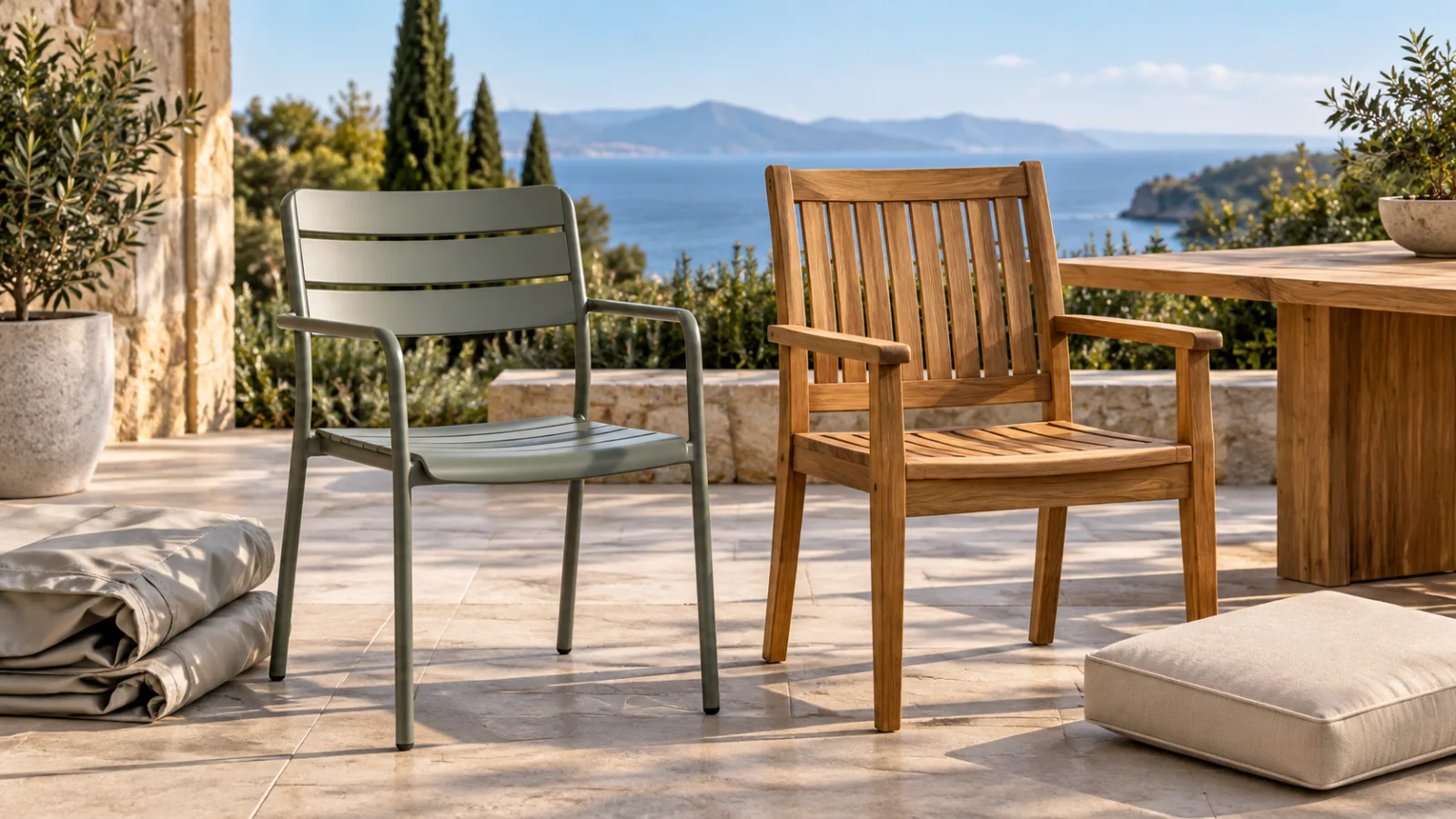
Aluminum vs Wood Outdoor Furniture: How to Choose

Balcony Container Gardening: Sun, Pots and Watering

Closet Organizers: Measure Before Choosing a System
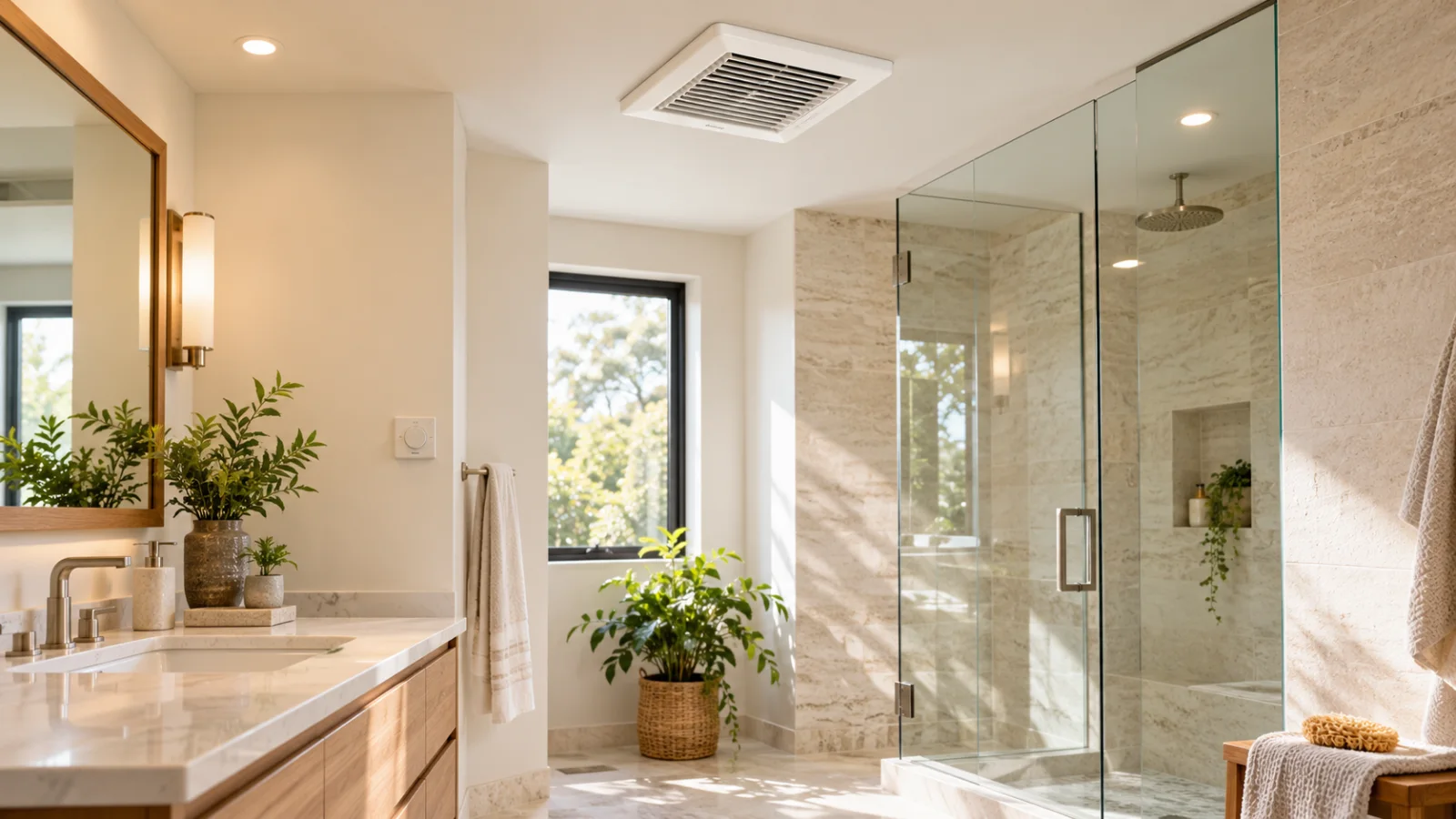
Bathroom Exhaust Fans: What to Check Before Buying
Peel-and-Stick Wallpaper: Wall Prep and Roll Planning
Layered Living Room Lighting: Lumens, Kelvin and Placement

Living Room Rug Sizes: Three Layouts to Test at Home
How to Measure for a Sofa Before You Buy
Quartz vs Laminate Countertops: A Practical Buying Guide